NIGel Earth an Planetary Research
The Earth and planetary science focusses on three main objectives: 1) element and stable isotope partitioning during planetary formation based on HPT experiments to understand the formation and differentiation of rocky (exo) planets; 2) use of long-lived radiogenic isotope and elemental variations in mantle and crustal rocks to quantify the geochemical cycles driven by plate tectonics; and 3) analysis of non-traditional stable isotopes from experiments and natural samples to constrain the environment and timescale involved in the emergence of life.
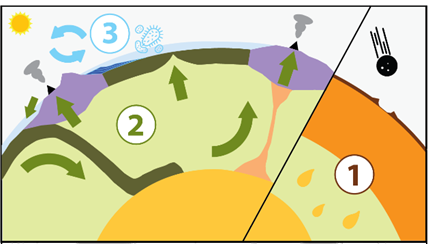
1: Planetary science: constraining element and isotope partitioning during early solar system evolution.
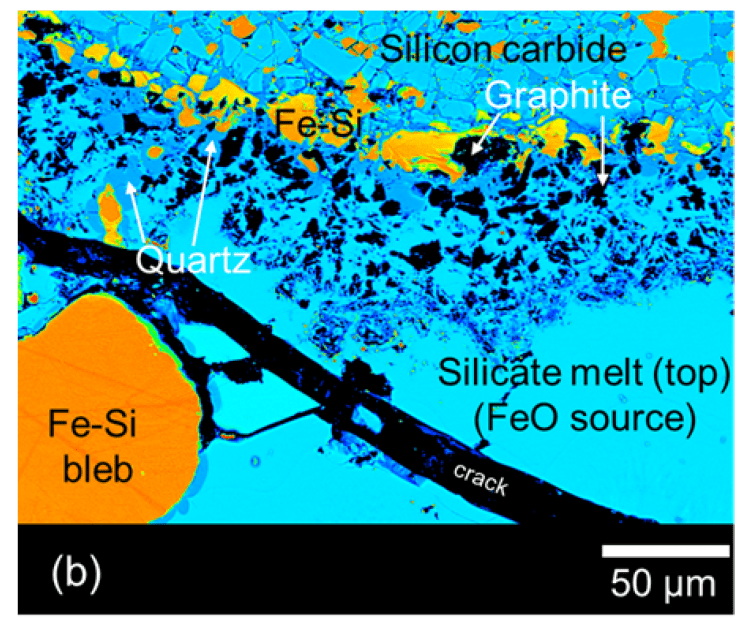
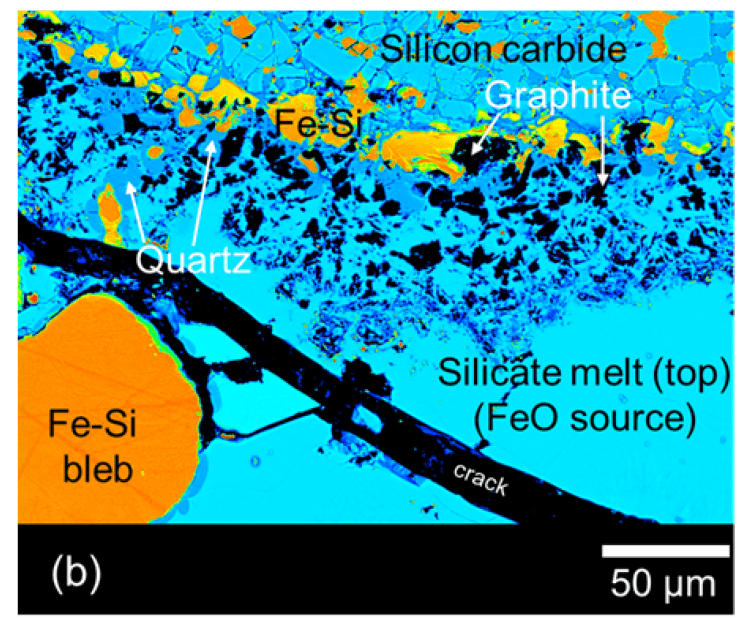
- Element partitioning behaviour during core formation in the Moon, Mercury, Mars asteroids, and rocky exoplanets.
- Evolution of magma oceans and the distribution of elements between minerals and magma
2: Advanced Sr-Nd-Pb-Hf isotope analysis techniques to study the nature and style of chemical exchange between Earth’s interior and surficial reservoirs.
- Innovative ultra-low blank mass spectrometry techniques.
- Earth’s deep geochemical cycles
- Elemental fluxes at convergent plate margins.
- The upper mantle composition determined at divergent margins.
- Long-term subduction recycling reflected by plume-related magmatism.
- The origin of diamonds and the Deep Carbon Cycle.
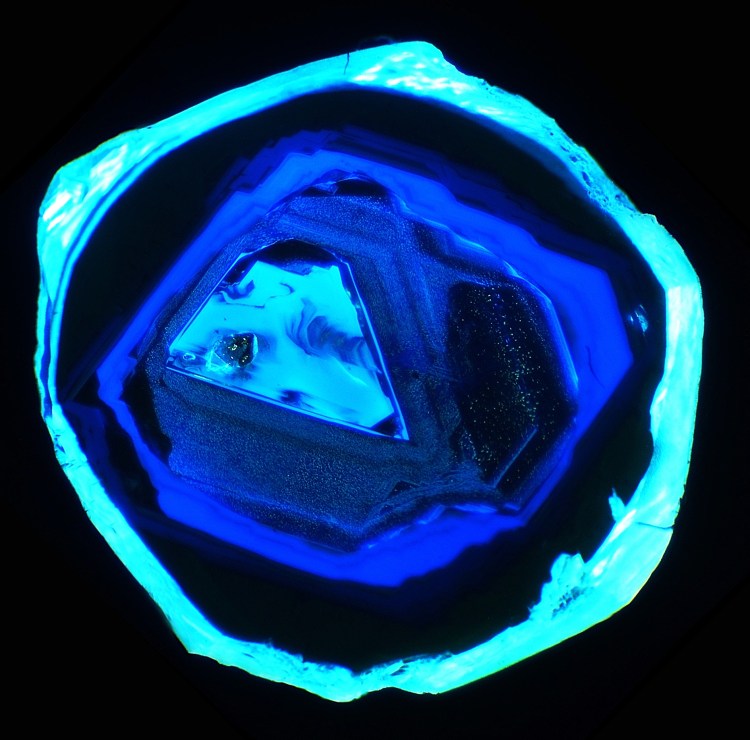
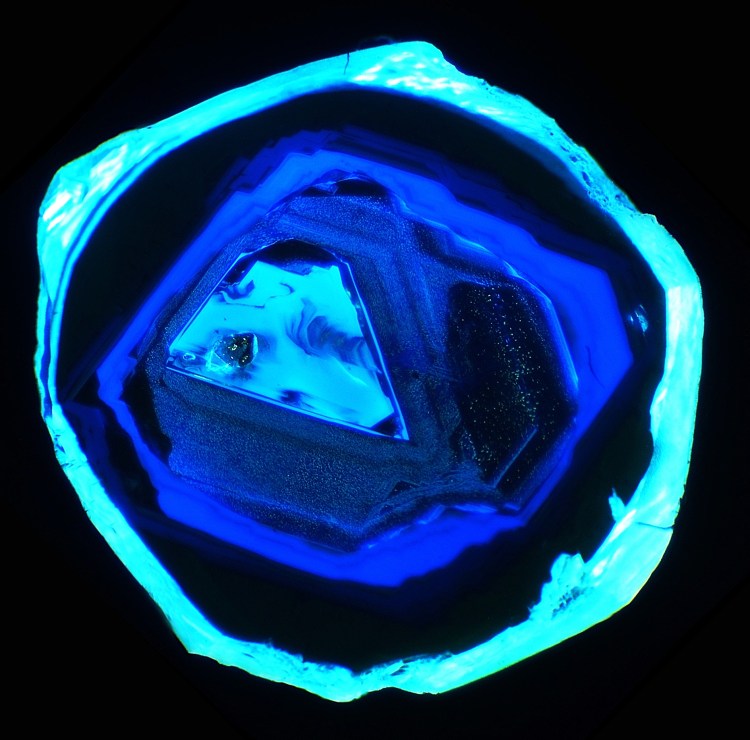
Image: diamond cathodoluminescence image of a central diamond plate showing a complex growth and resorption history.
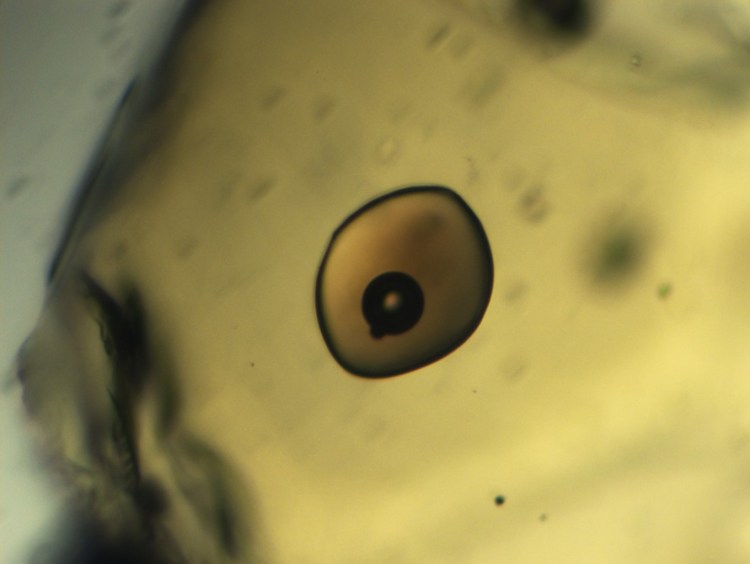
Image: microphotograph of an olvine-hosted melt inclusion ~100 μm, used to study mantle heterogeneity and deep element cycling
- Metamorphic Geology: elemental and isotopic constraints on the rates and scales of tectonic processes, mineral transformations and fluid flow.
3: Sediments as a record of development of life on Earth and changing tectonic-erosion and climate processes: present day to deep time.
- Climate-Tectonics-Erosion
- Development of life on Earth
NIGEL Archaeology, Cultural Heritage and Forensics Research
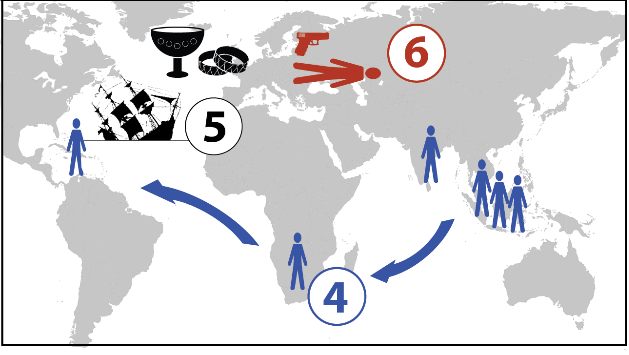
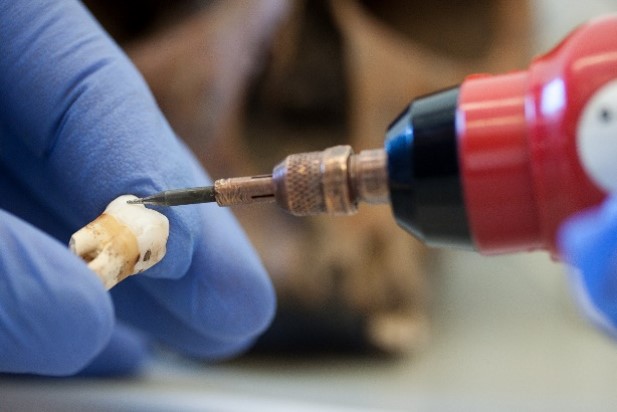
4: Isotope Archaeology
- Mobility
- Human and animal diet
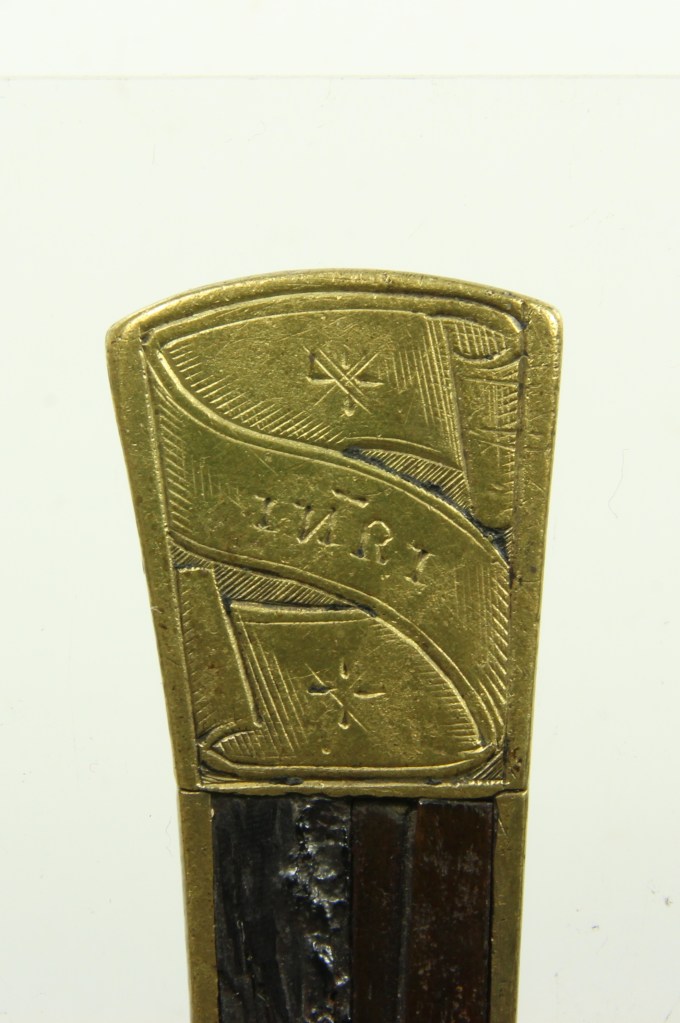
- Manufacture and provenance of artefacts.
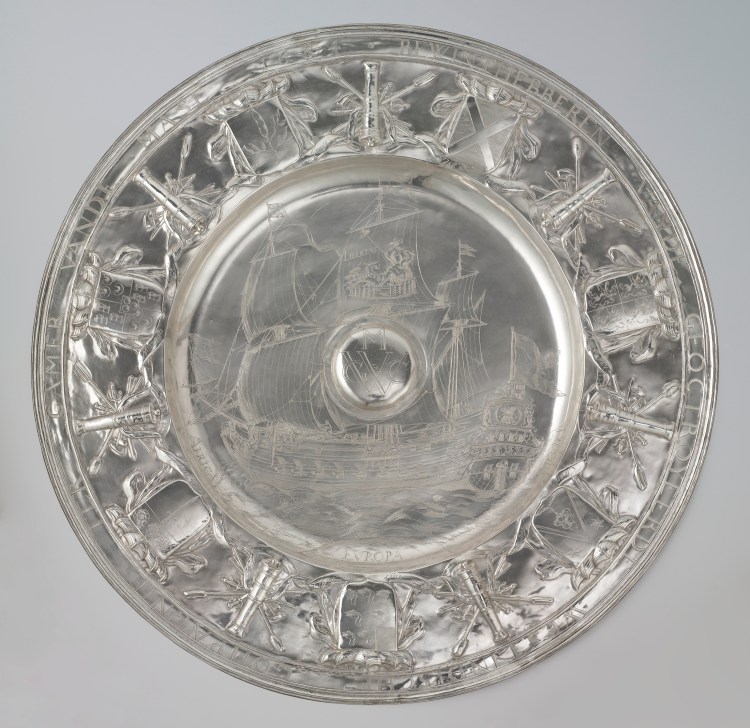
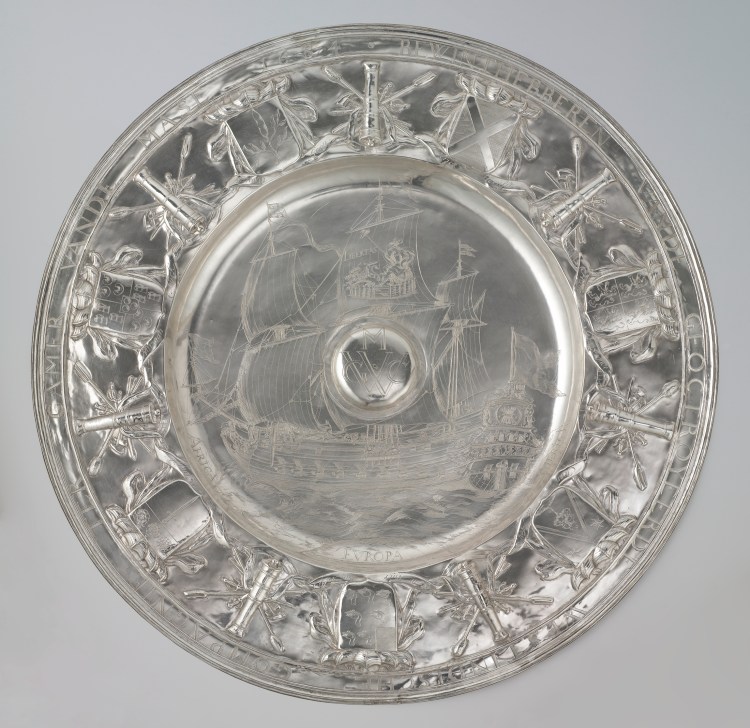
5: Cultural Heritage: Materials for painters, potters, sculptors and glass and metal manufacturers in the Low Countries: sources, processing, firing characteristics and chronology

6: Forensic Science: Human & Animal provenance and tissue degradation.

 NIGeL Amsterdam